All Categories
Featured
Table of Contents
- – Technology That’s Transforming The Dental Indu...
- – The Secret To Better Patient Retention: Dental...
- – Complete Dental Practice Management Guide For...
- – The Ultimate Guide To Dental Practice Managem...
- – Want More Patients? Integrate Marketing Tool...
- – Never Miss A Patient Call Again: Integrate A...
Operating a modern dental clinic takes more than just clinical skill. High-performing dental offices rely on smart systems that connect admin, finance, and communication. This article explores the tools, systems, and strategies that keep clinics efficient — from practice management software to billing automation and patient communication.
Not long ago, many dental offices managed everything manually to book patients and track billing. That model was fine for a single-dentist clinic, but growth-focused clinics need faster, smarter systems. Regulatory requirements have increased year after year. This is why practice management software has become essential.
Technology That’s Transforming The Dental Industry (And How To Use It)
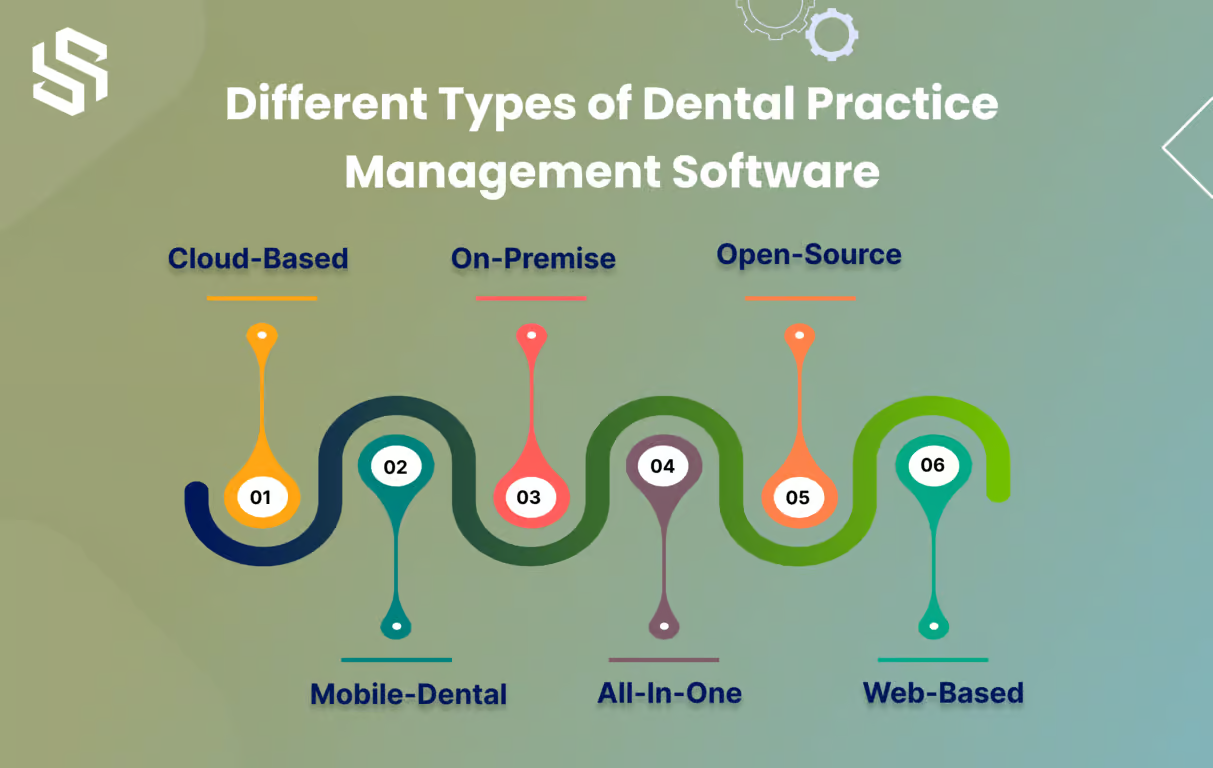
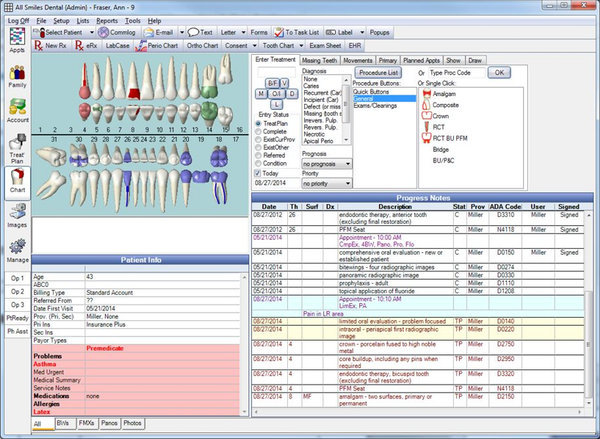
Dental practice management software are the central nervous system of any clinic. They integrate scheduling, charting, billing, and reporting into a single unified dashboard. Instead of juggling multiple systems, you can handle scheduling, treatment, and billing all in one place. The result is a smoother patient journey and more predictable revenue.
Why some practice systems outperform others is the ability to centralize and interpret data. For example, if insurance pre-authorizations sync with billing, the entire workflow becomes faster. Analytic tools inside most modern PPMs show which treatments bring profit or loss. This level of visibility gives managers control again.
Finding the best system for your team depends on your size and workflow. Dentrix remains a leader with comprehensive features for treatment planning, imaging, and analytics. Eaglesoft is favored by clinics that value detailed charting. Open-source platform Open Dental offers flexibility and affordability. Curve Dental is cloud-first and easy to scale. Every system has pros and cons. The best step is to trial two or three and test real-world workflows. Staff comfort is the difference between success and frustration.
Change management are often overlooked when new systems roll out. Technology only works if the team knows how to use it effectively. Have one staff member own the setup who understands both operations and software. Host mini refreshers to see how adoption is progressing. A month of structured training pays off massively later.
The Secret To Better Patient Retention: Dental Answering Service Integration
Scheduling software has evolved dramatically. Smart booking engines now text reminders to patients with real-time updates. Current tools automatically prevent double-booking. Efficient scheduling boost chair utilization. Many practices also add online booking widgets, letting patients self-book appointments. This approach is a smoother first impression for patients.
One overlooked advantage of advanced scheduling tools lies in their reporting dashboards. Reports can highlight bottlenecks and downtime. Such metrics help you plan staff rosters and marketing campaigns. If you discover Wednesday afternoons have high cancellations, you might tweak hours or ad targeting.
Billing and insurance workflows determine long-term profitability. Submitting claims manually is slow and error-prone. Integrated clearinghouse connections shorten payment cycles. Many PPMs now include real-time eligibility checks, meaning better financial transparency. Payment plans and automatic reminders reduce accounts receivable aging. Monitoring KPIs like “days in A/R” stops small issues from compounding.
Complete Dental Practice Management Guide For Dentists & Clinic Owners
Clinics expanding to multiple locations connect accounting and banking software. You get a holistic view of finances. With automation, reconciliation becomes instant. You’ll track how seasonality impacts revenue. Such data integration gives owners peace of mind.
Marketing is where practice management meets growth. Competition has gone digital. Strong local SEO help fill chairs consistently. Claim and enhance your Google listing, post regular updates, and build localized mini-sites. Educational articles on common treatments or dental tips improve rankings and authority.
Automated follow-up workflows now play a huge role. Connected systems that sync with PPM data help bring back dormant patients automatically. Campaigns can target missed appointments. That consistent engagement keeps your chairs booked months ahead.
The Ultimate Guide To Dental Practice Management Software In 2025
Paid ads and retargeting generate immediate patient inquiries. Focus within 10-15km radius for keywords like “emergency dentist open now”. Use remarketing ads. Offer free consults or checkups to turn browsers into bookings.
A major gap in many clinics is the dental answering service. No matter how advanced your PPM, you can still lose leads after hours. Dental answering services answer calls when your team can’t. They integrate with most PPM systems. It makes a huge difference for emergencies and new patient calls after hours. Practices that add phone coverage report higher booking rates. Embedding contextual links about emergency call coverage creates smooth navigation between topics.
Once your systems are aligned, the results compound quickly. Smarter workflows reclaim hours, while ongoing marketing keeps new patients coming. In practical terms, this means less chaos, more calm, and steady growth.
Want More Patients? Integrate Marketing Tools With Your Dental Software
Here’s the playbook most modern clinics follow:Select your main PPM. Ensure integrations are configured.2. Automate communication. Appointment confirmations, recalls, and feedback requests maintain engagement.3. Simplify billing. Track performance weekly.Invest in local SEO and retargeting. Drive authority and conversions together.Iterate quarterly. Data on scheduling gaps or claim delays guide your next optimizations.Stay agile. Patient expectations will rise, so build a culture that embraces adaptation.
A future-ready clinic runs on systems, not stress. Once your digital stack and human team are in sync, you build a calm, profitable operation.
Never Miss A Patient Call Again: Integrate A Dental Answering Service
If you’d like to explore how dental answering services, automation, or practice management content can interlink for SEO, click here.

Table of Contents
- – Technology That’s Transforming The Dental Indu...
- – The Secret To Better Patient Retention: Dental...
- – Complete Dental Practice Management Guide For...
- – The Ultimate Guide To Dental Practice Managem...
- – Want More Patients? Integrate Marketing Tool...
- – Never Miss A Patient Call Again: Integrate A...
Latest Posts
Dental Clinic Management Made Easy: Tools, Apps, And Automation Tips
Why Every Dental Office Needs An Answering Service In 2025
The Ultimate Guide To Dental Practice Management Software In 2025
More
Latest Posts
Dental Clinic Management Made Easy: Tools, Apps, And Automation Tips
Why Every Dental Office Needs An Answering Service In 2025
The Ultimate Guide To Dental Practice Management Software In 2025